Measure the route with the stand in place
Position the microphone and interface first, then measure along the path the cable will follow. Include the stand, a relaxed loop near the microphone, and enough slack for the performer’s normal movement. A straight-line measurement across the desk can underestimate the length needed once the cable is secured neatly.
Avoid buying an unnecessarily long cable simply because it seems more versatile. Extra length has to be stored somewhere and can create a snag near the chair. On the other hand, a cable that is always taut puts stress on connectors and can move the microphone. Choose enough reach for the intended layout with a modest service loop.
Inspect the connectors and cable type
Confirm that the cable is specified for the microphone connection and uses the required connectors at each end. XLR-style connectors also appear in other applications, so do not treat every similarly shaped cable as interchangeable. Check the microphone and interface manuals if phantom power or an unusual wiring arrangement is involved.
Look for secure strain relief and a connector body that can be gripped without pulling the cable. Check that the latch engages and releases normally where one is provided. A stiff or oversized connector may be awkward behind a crowded interface even if it is electrically suitable. Allow space for the housing and cable bend.
Make faults easy to isolate
Test the cable with a known working microphone and input at a conservative listening level. Record a short passage and a pause. If an intermittent fault appears during ordinary movement, stop using the cable and inspect it; do not keep bending it until it happens to work. Keep a known-good spare so a failed lead does not derail a session.
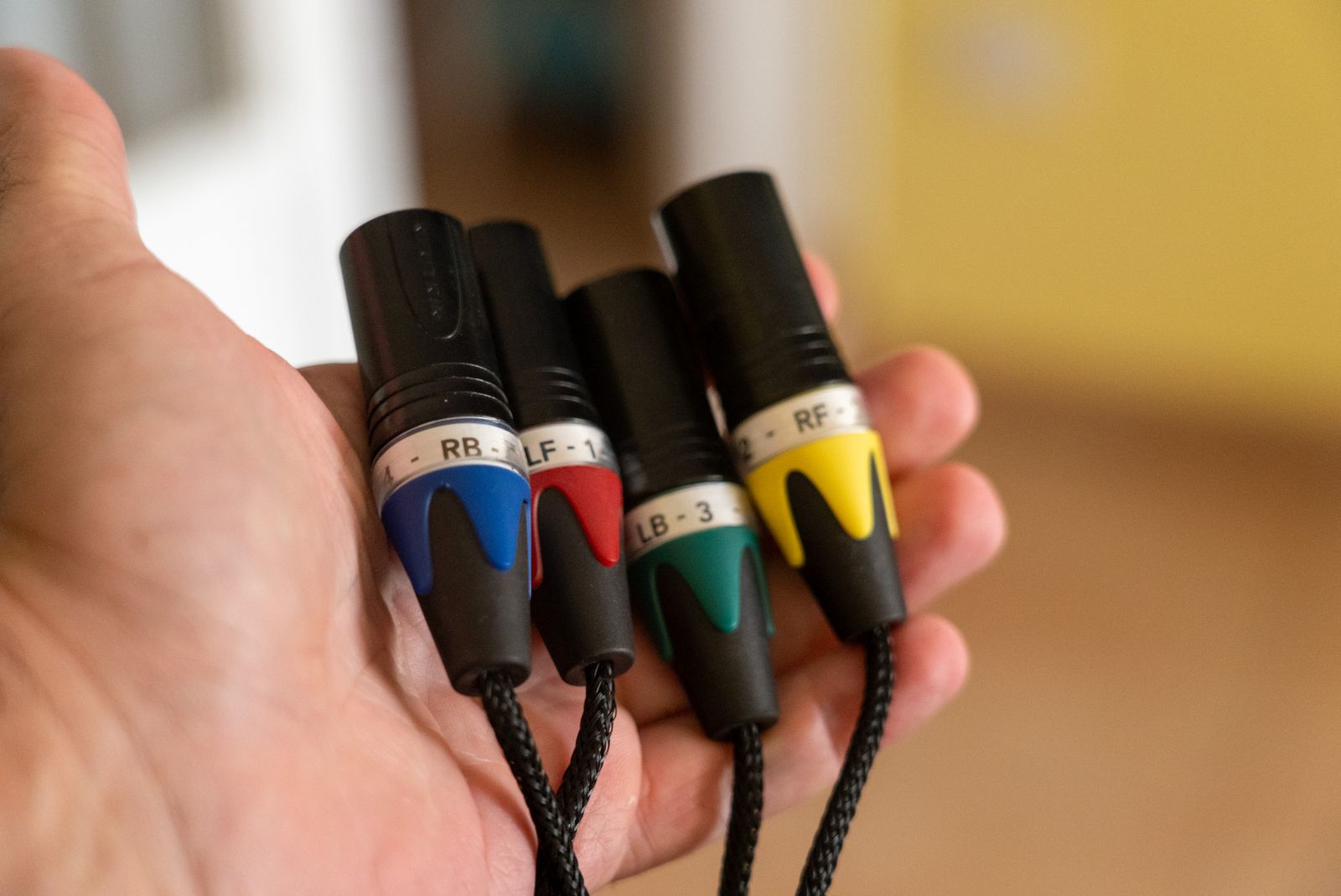
Label both ends if several cables look alike, and record which microphone feeds which input. Coil the cable without tight kinks and secure it loosely for storage. Do not wrap it tightly around the microphone or interface. A simple identification and storage routine makes later troubleshooting faster than repeatedly swapping indistinguishable cables with no record of which one caused the problem.