Identify the missing function
Digital music must become an analog signal somewhere before an ordinary headphone driver or speaker can reproduce it. Your phone adapter, computer, receiver, or powered speakers may already perform that conversion. Adding a separate DAC moves or replaces part of that process; it does not automatically improve every recording or every listening setup.
Useful reasons to consider one include needing a compatible analog output, a convenient desk volume control, or support for a playback format your existing hardware cannot handle. Write the requirement in concrete terms. 'Connect this computer to these powered speakers' is easier to verify than a general wish for better detail.
A DAC is not always a headphone amplifier
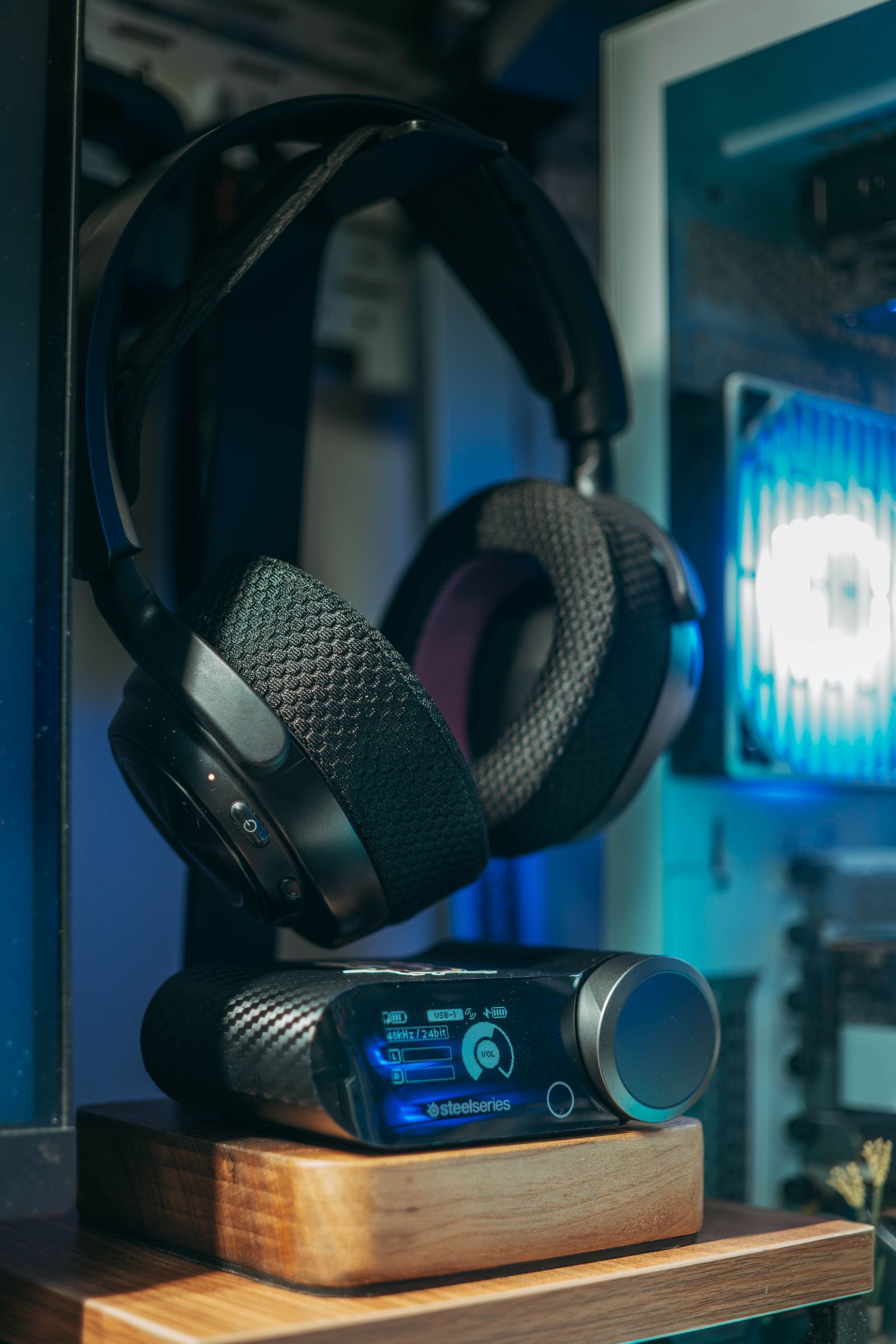
Check the outputs carefully. A fixed line output intended for an amplifier or powered speakers is different from a headphone output with suitable level control. Some products combine conversion and headphone amplification; others do not. Establish where volume will be controlled before connecting a fixed output to any downstream equipment.
Look at the digital input as well. USB, optical, and coaxial connections are not interchangeable merely because they all carry digital audio. Confirm the source’s output format, the DAC’s supported formats, and any required driver. Include the necessary cable in the cost comparison rather than discovering the missing connection after delivery.
Do not buy a specification you will not use
A music service’s high-resolution option may require an external converter on some devices. Apple’s lossless support guidance gives device-dependent requirements, so consult the current instructions for the actual playback source. That is a compatibility issue, not a promise that changing converters will produce an obvious audible difference in every situation.
Test the present system first with familiar music, appropriate output settings, and a reliable connection. If you compare a new DAC, keep playback levels similar and avoid changing headphones at the same time. Also assess startup behavior, source switching, cable clutter, and whether the volume control is easy to reach. A purchase that makes the system simpler can have a clear benefit even when dramatic sound claims are not justified.