A quiet room or a shared room?
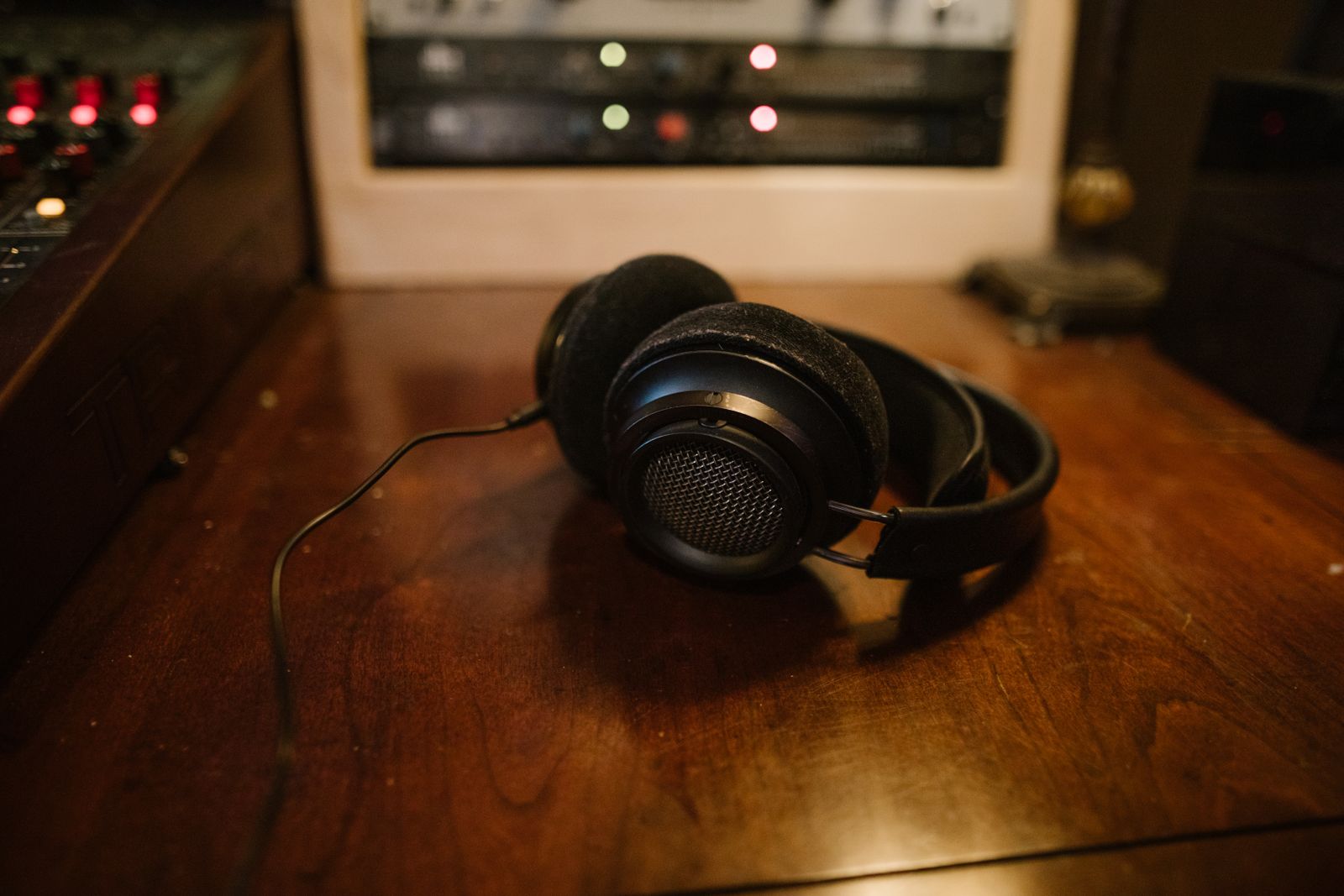
Open-back headphones let sound pass through the outer ear cups. Music can escape into the room, and surrounding sounds remain audible. Closed-back models use enclosed cups to reduce that exchange. Neither label tells you exactly how much isolation a particular pair provides. Fit, pads, construction, and listening level still matter. Beyerdynamic's explanation of the two designs identifies this exchange of sound as their central practical difference.
Imagine listening at a desk while someone reads on the couch beside you. An open pair may be acceptable to you but irritating to the reader during quiet passages in their evening. In a separate study with the door closed, the same headphones create fewer conflicts. Before comparing specifications, write down where the headphones will actually spend most of their time. A spare room available only on weekends should not determine a purchase used in a shared kitchen every weekday.
Recording changes the decision
A microphone adds another listener to the room. When recording a voice or acoustic instrument over a backing track, headphone spill can enter the microphone. Closed-back headphones are generally the more useful starting point for that job. This does not make them silent outside the cups: a loose seal or unnecessarily loud playback can still create problems. Record a short pause while the backing track plays, then listen to that recorded pause before committing to a full take.
For editing a finished recording, the requirement is different. No live microphone needs protecting, so you can choose based on the room and the way you prefer to listen. You do not need to buy two pairs immediately. If the first pair must cover both recording and ordinary music listening, give priority to the task that cannot tolerate leakage.
Compare individual headphones, not a promise
Descriptions such as spacious, intimate, bright, or bass-heavy belong to individual headphones and to listeners' impressions. An open housing is not a guarantee that every recording will sound wider, and a closed housing does not make a headphone automatically bass-heavy. Audition shortlisted pairs with familiar songs at a comfortable, similar level. Include a sparse voice recording as well as a dense arrangement, rather than judging everything from one dramatic chorus.
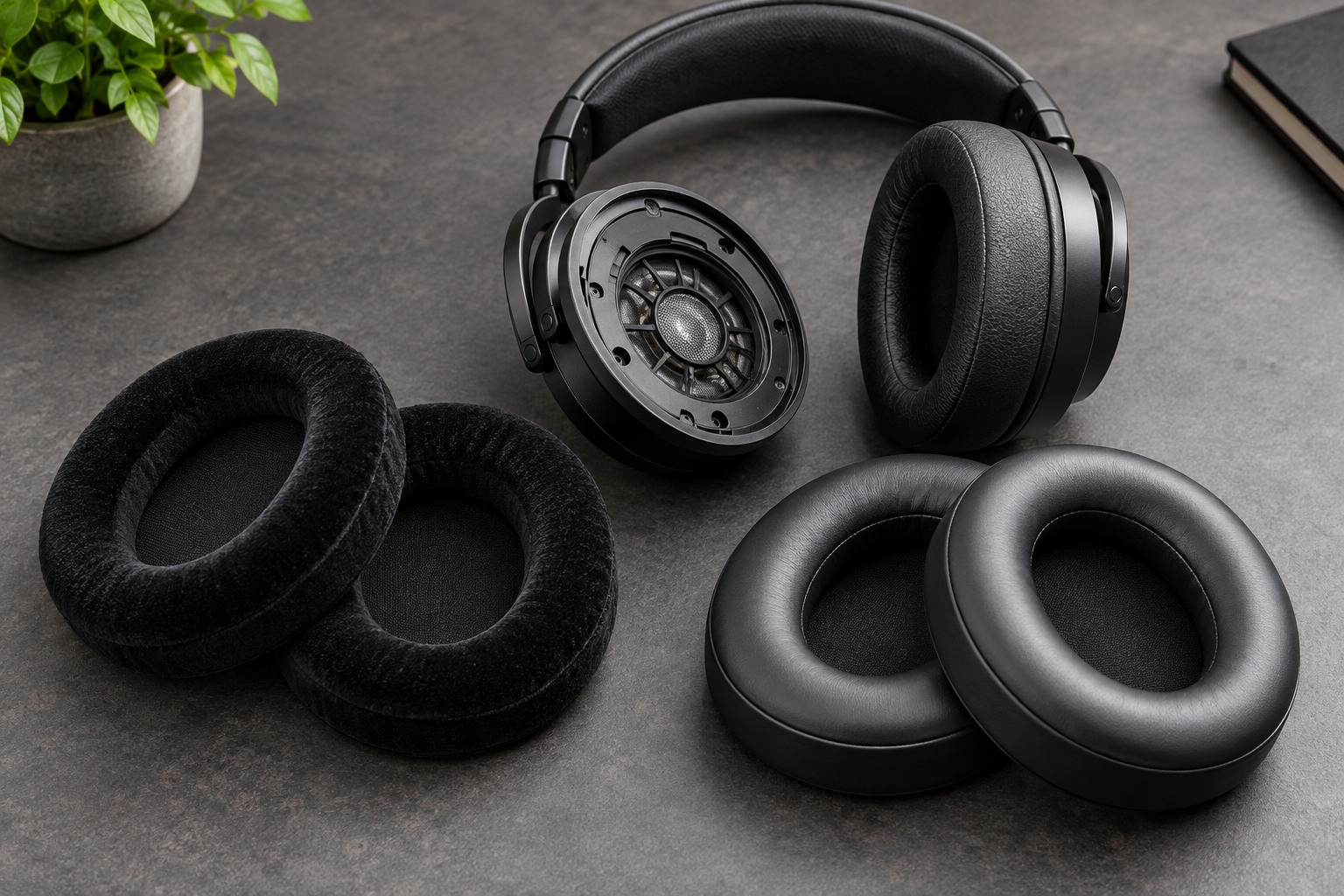
Keep the comparison grounded in use. Does the cable reach your chair without pulling? Do the cups press on your glasses? Can you find replacement pads for the exact model? After several minutes, a small pressure point may matter more than an attractive finish. If buying without trying, check the seller's return conditions and any hygiene exclusions before opening the packaging.
Make the room part of the choice
For an isolated listening corner, either design remains an option. For shared spaces or live recording, reducing spill usually deserves more weight. If you need to hear a doorbell or another person, test that situation directly at a modest listening level; an open design is not a guaranteed alert system. Choose the pair whose everyday compromises you can accept, rather than treating one construction as an upgrade over the other.