Agree on the purpose and placement
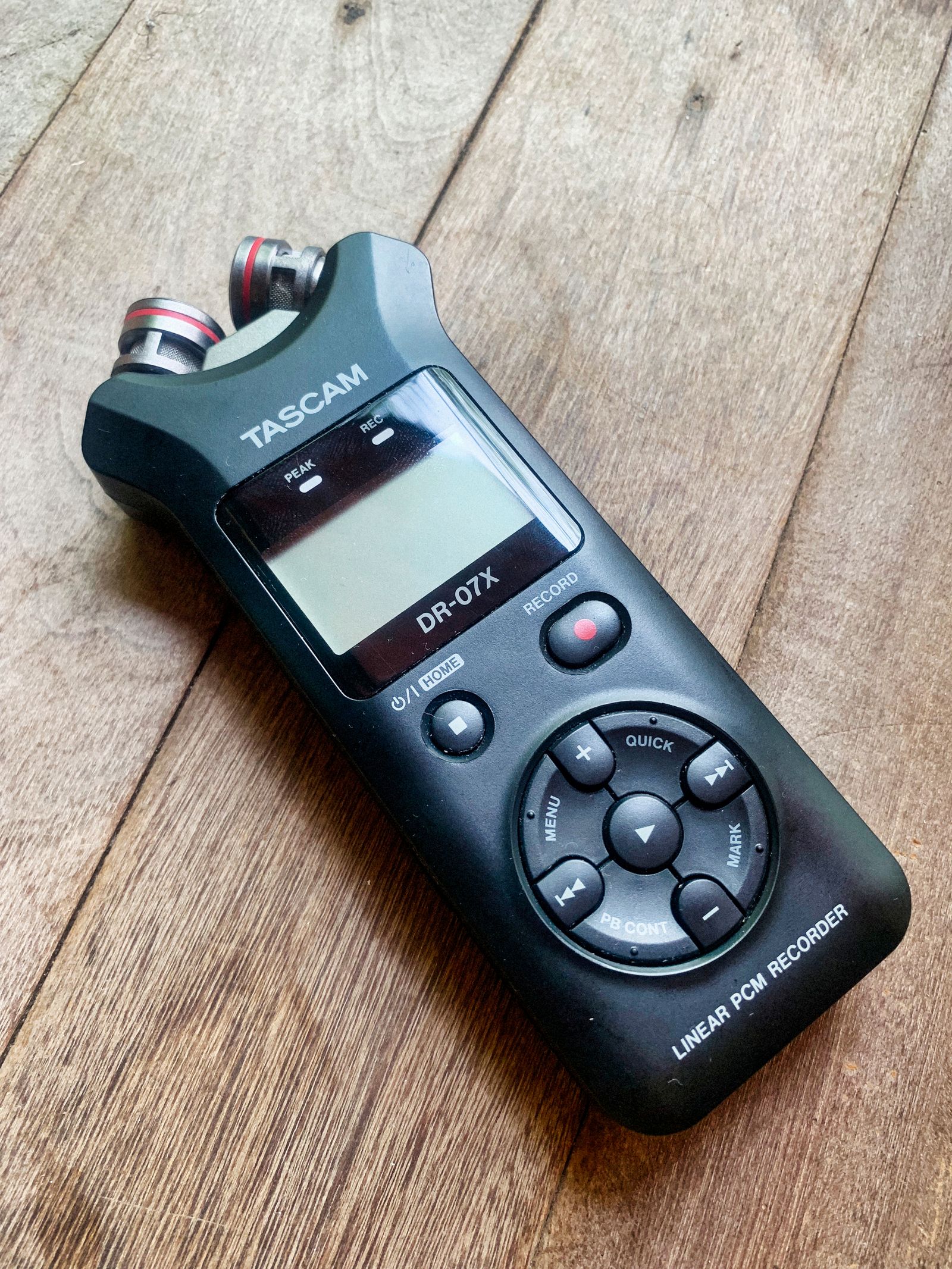
Tell everyone that the rehearsal will be recorded and agree on how the files will be shared. Decide whether the aim is a rough reference, arrangement review, or a more polished capture. A single portable recorder can document the room, but it will not provide independent control of every instrument afterward.
Choose a stable position with a clear view of the group and away from accidental knocks. Do not place it immediately beside the loudest instrument simply because power is available there. Listen to the balance from several feasible positions, then make a short test. Keep the recorder and stand out of walking paths and cable routes.
Record the loud part first as a test
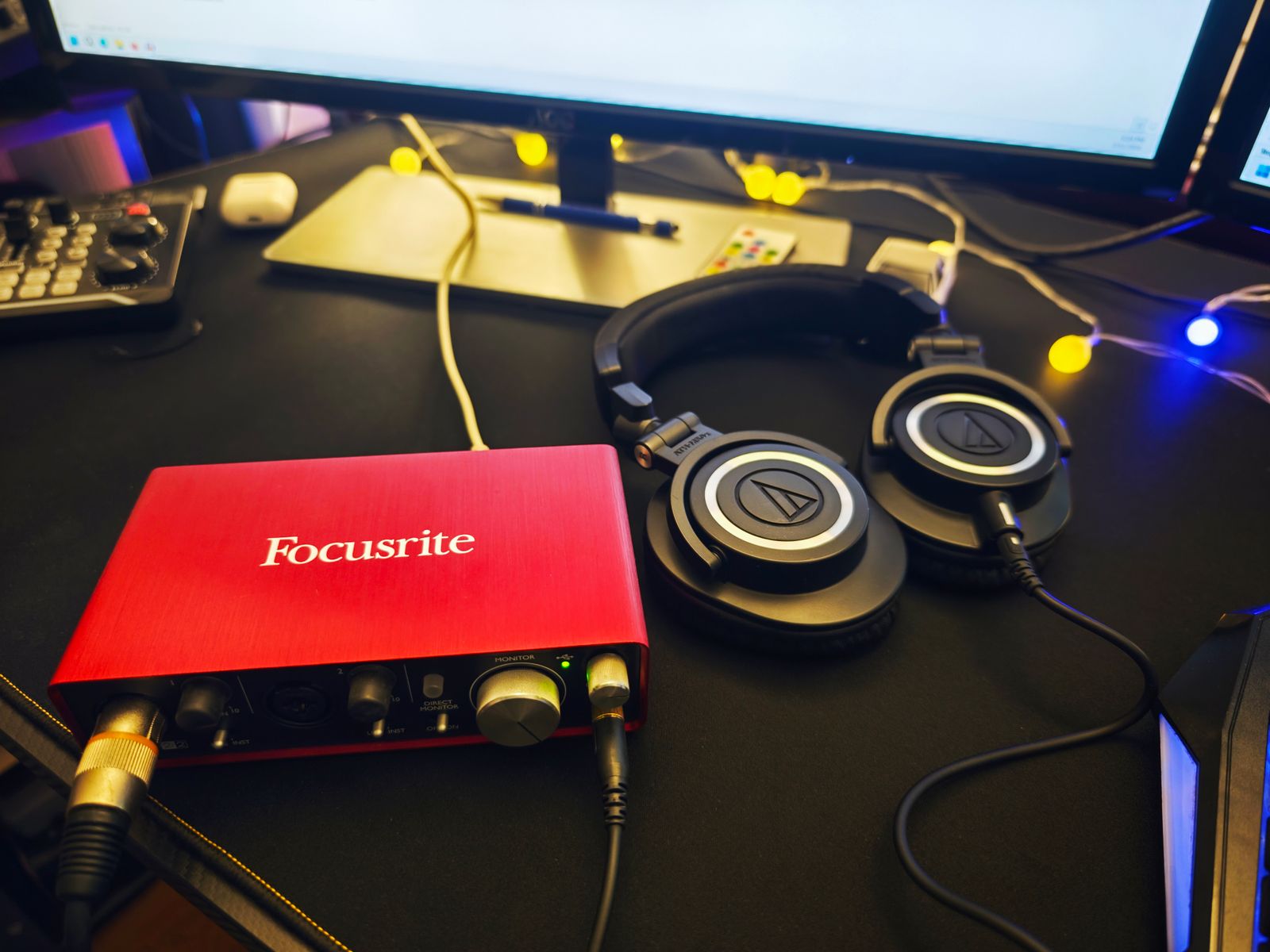
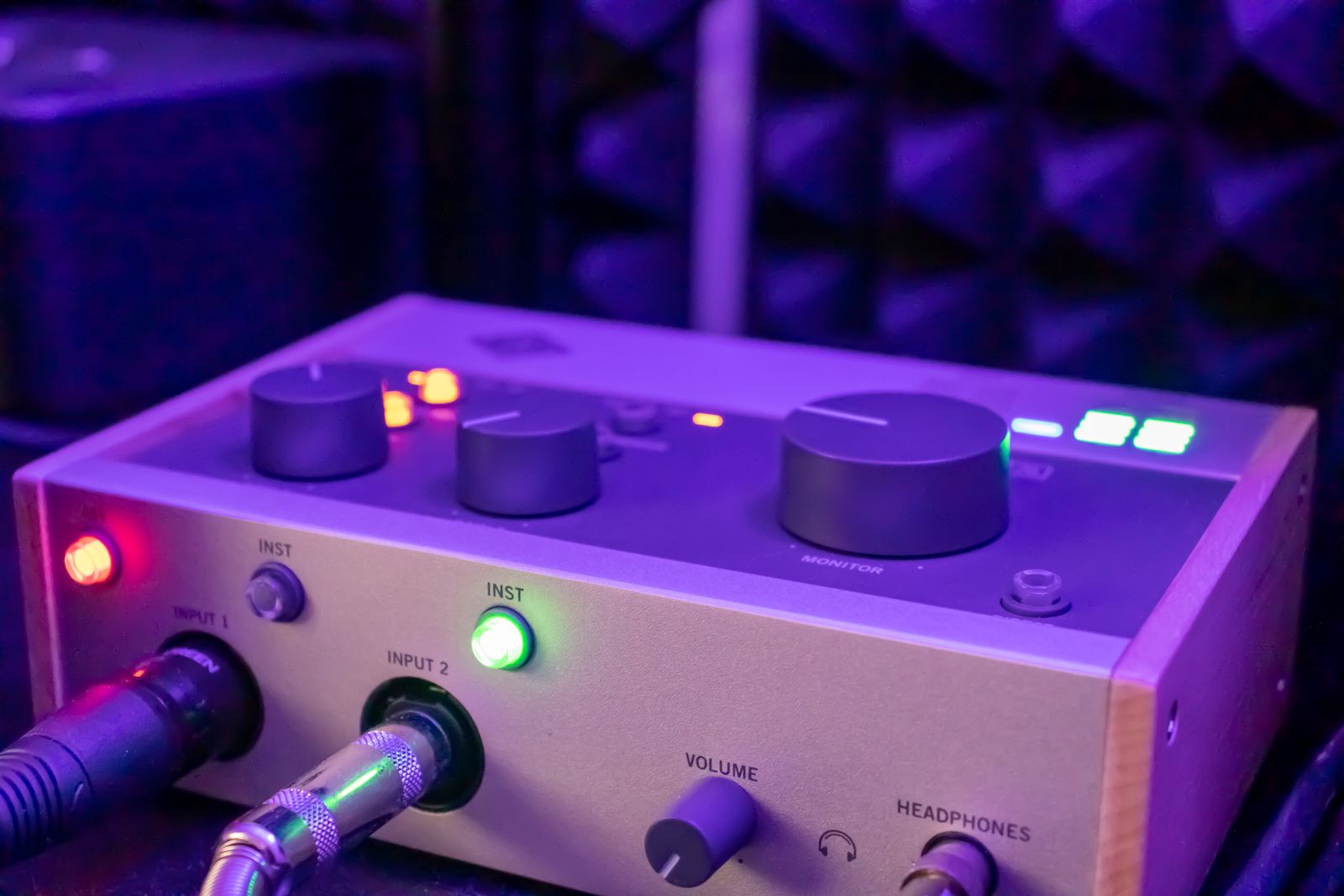
Have the group play a representative loud section. Follow the recorder’s instructions for input settings and check that the chosen microphones or inputs are active. Different recorder designs handle level setting differently, so do not assume that a control labeled volume changes the recording level. It may only affect headphone playback.
Stop and listen to the test before the rehearsal continues. If one instrument dominates, moving the recorder or adjusting the room arrangement may be more effective than changing a single overall recording level. Check speech or vocals if those need to remain understandable. A technically clean recording can still be unhelpful if the balance hides the part you wanted to review.
Make the session easy to navigate later
Announce song titles or take numbers briefly before playing, or use markers if the recorder supports them. Keep a simple note of useful takes and sections needing attention. Avoid touching the recorder during quiet passages unless necessary, and confirm periodically that it is still recording and has sufficient power and storage.
After stopping, allow the recorder to finish writing before removing power or the card. Copy the files to a clearly named session folder and verify playback before clearing the card. Share a review copy using the arrangement agreed with the group, while retaining the original recordings separately. A dated folder, recognizable take names, and a few notes make the recording much more valuable than one long file that nobody can navigate.