Try soft hits before fast patterns
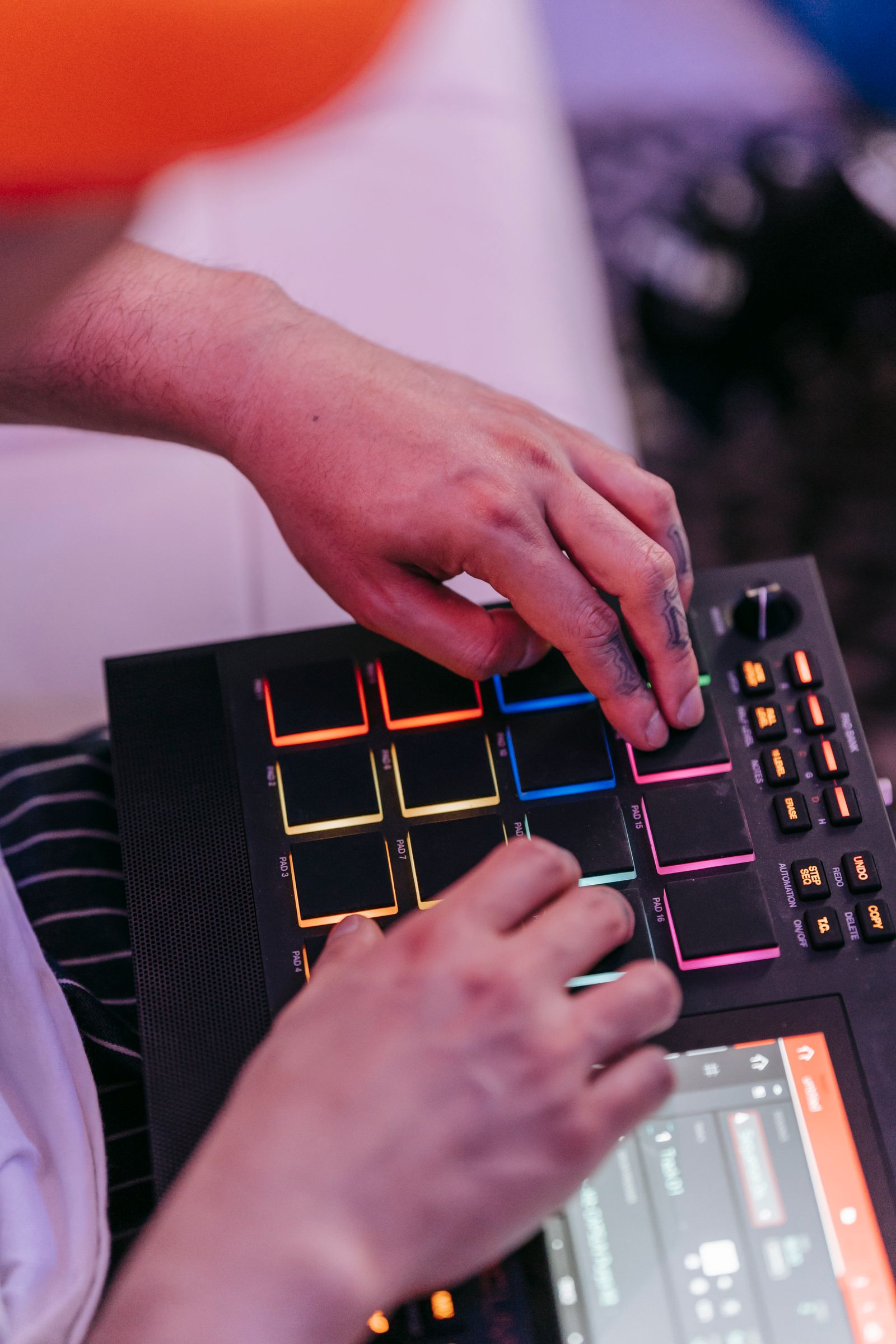
Load a simple drum kit and tap one pad gently, then with increasing force. Listen for controllable changes rather than only whether the loudest hit triggers. A pad that responds poorly to your light touch may be frustrating for quieter notes. Try the controller's documented sensitivity or velocity-curve settings before assuming the hardware is unsuitable.
Then play a slow pattern across several pads. Notice the distance between them and whether neighboring pads trigger accidentally during ordinary movements. A large grid can be useful, but it should fit the way your hands rest on the desk. Do not strike harder than needed simply to compensate for an unfamiliar setup.
Velocity and pressure are different controls
Velocity describes the initial strike; aftertouch or pressure control can affect a held pad afterward when supported. Ableton's Push guidance treats sensitivity, velocity curves and aftertouch threshold as separate settings. That distinction helps when reading any controller specification, although the available adjustments depend on the model.
A drum sound may not use pressure even if the controller sends it. Check both the hardware and the receiving instrument. A feature list can promise many expressive messages while your chosen kit responds only to note and velocity. Test the sound you actually intend to play.
Map a layout you can remember
Put the essential sounds in predictable positions and save the mapping. If you switch banks, make sure the bank indicator is clear and that the software notes match the new range. A pad's color is helpful only when it corresponds consistently to the intended sound or role.
Check whether the controller has a supported DAW integration or requires manual setup. Try recording a short pattern, editing it and playing it back. This verifies that the pads are sending the expected notes rather than merely lighting up. If duplicate notes appear, inspect routing before changing your playing technique.
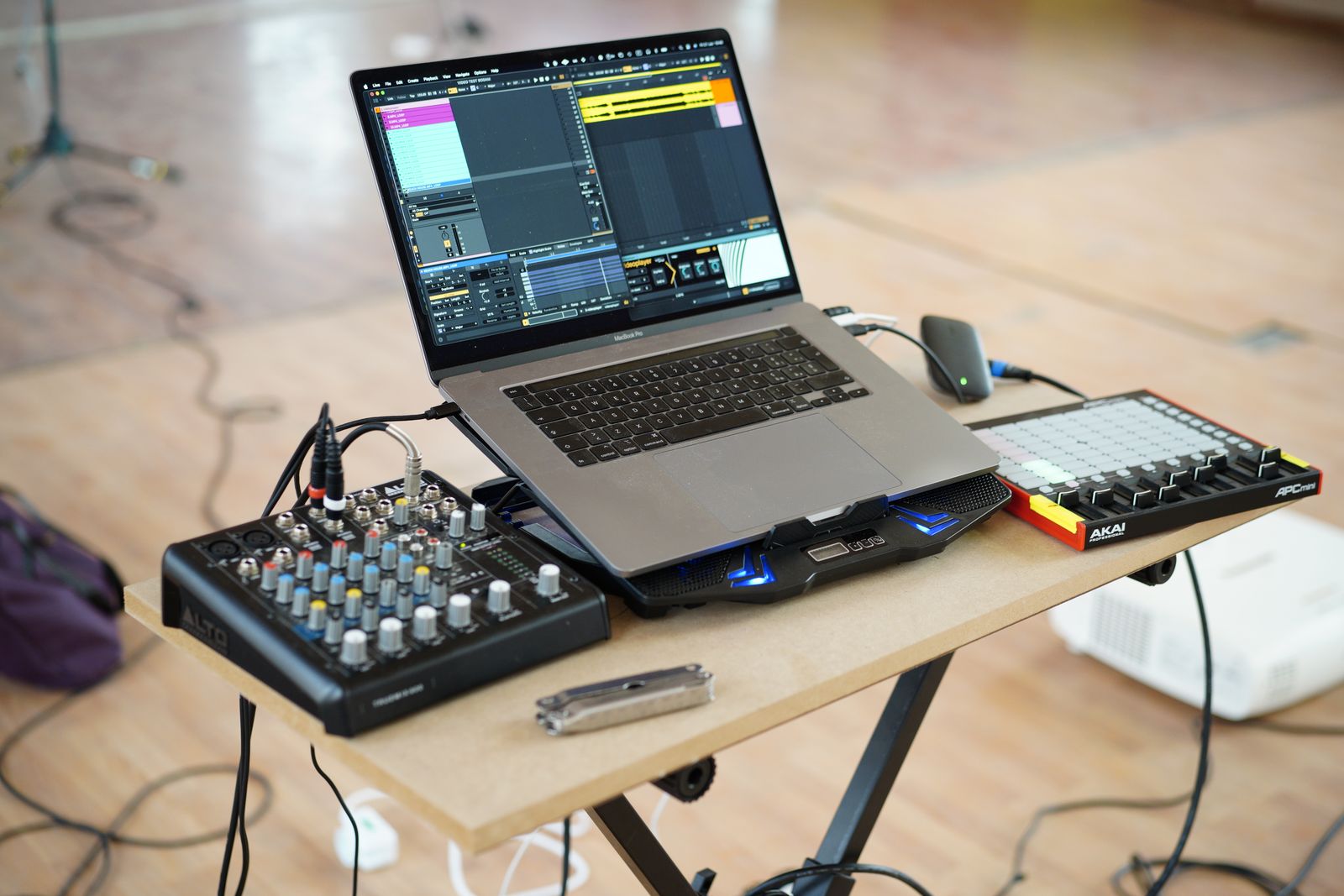
Finally, position the controller on a stable surface with enough room for wrists and cables. A small pad unit can slide when played energetically, while a laptop underneath can transmit tapping noise into a microphone. Choose a support arrangement that stays put. The best pad controller is one whose response and layout become familiar enough that you can think about the rhythm rather than the device.