Choose the size by fit, not by the label
Start with the tips supplied for the exact earbuds and follow their fitting instructions. Try adjacent sizes instead of choosing the largest tip that can be inserted. The earbud should stay comfortably in position during ordinary head movement. Pressure, soreness, or repeated slipping means the combination needs reconsideration. Do not force a tip deeper to compensate for a poor match.
Compare both sides independently. A medium tip on one side does not require a medium on the other. Listen to familiar speech and music at a modest level, then gently move your jaw and turn your head. If the sound changes substantially with small movements, repeat the fit check. An app-based fit test can be useful where provided, but it does not override discomfort.
Different materials require different handling. Shure’s foam-sleeve instructions, for example, call for compressing the foam before insertion and holding the earphone while it expands. That procedure is specific to an appropriate foam sleeve; it is not a reason to squeeze, stretch, or modify every silicone tip. Read the instructions supplied with the tip you are using.
Attachment matters as much as the seal
Before buying third-party tips, verify compatibility with the earbud nozzle and any retaining feature. A tip that feels comfortable in the ear but does not attach securely to the earbud is unsuitable. Check that it seats as specified and that the sound opening is not covered by an incorrectly installed edge. Avoid improvised trimming to make an incompatible part fit.
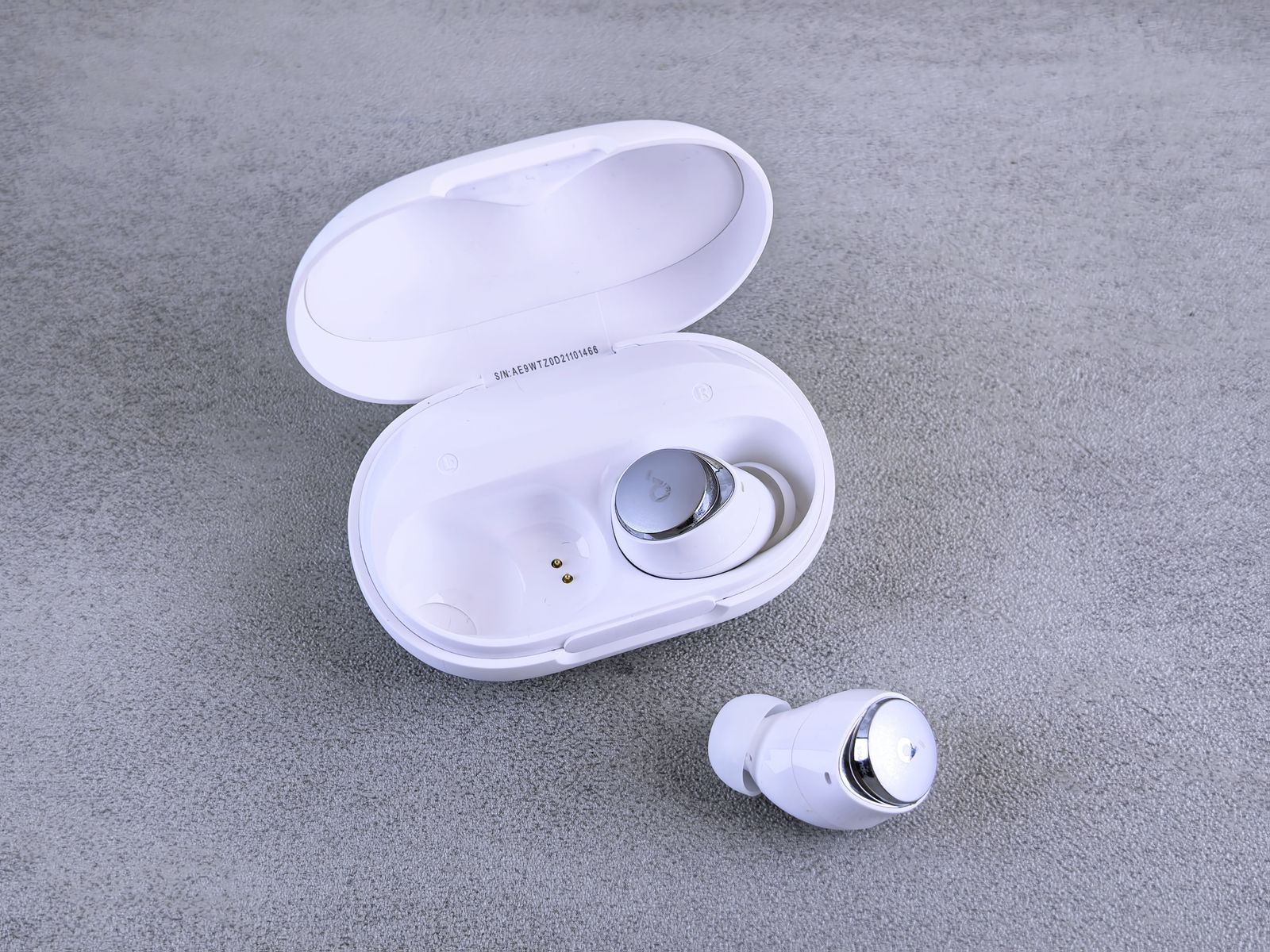
For true wireless earbuds, put the fitted pair back in the charging case and confirm that the lid closes normally and both earbuds begin charging. A taller tip can interfere with the case even if it fits the nozzle. Do not press the lid down to force contact. Case clearance belongs on the compatibility checklist before ordering a large pack of replacements.
Keep tips clean according to their own material-specific instructions and let washable parts dry fully before reuse. Inspect for splitting, looseness, or crumbling. Replace damaged tips rather than relying on them for a consistent seal. Record the successful size and exact replacement type once you find a combination that works; that is more useful than repeatedly buying assorted sets without knowing which fit you preferred.