Avoid choosing by one stereotype
Dynamic and condenser microphones use different operating principles, but neither label guarantees a particular result in every room. A dynamic microphone is not automatically immune to keyboard noise, and a condenser is not automatically unsuitable for a home desk. Compare the individual microphone’s pickup pattern, sensitivity, connection, and recommended use.
Shure’s recording guide describes microphone types and directional behavior as separate characteristics. This distinction matters when shopping: a cardioid pattern is not exclusive to one transducer type. The direction the microphone faces and its distance from the source can change the recording more usefully than switching categories without changing the setup.
Work out the desk position first
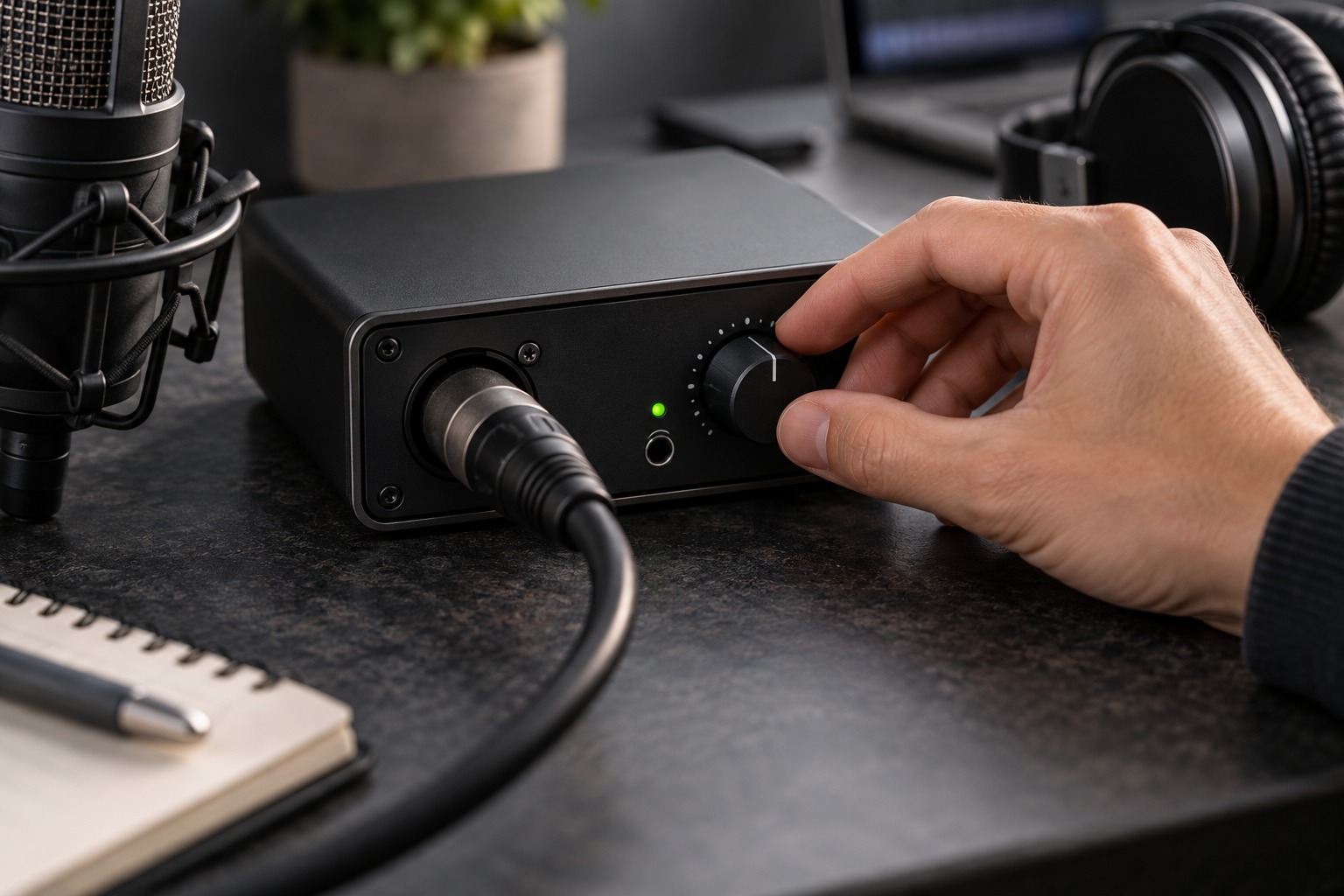
Sit as you will while speaking or singing and identify where the microphone can remain without blocking the screen. Check whether the model is addressed from the side or the end. The visible grille does not always indicate the correct speaking direction. Use the manufacturer’s diagram and keep the intended pickup side toward the performer.
If the only available position is far across the desk, reconsider the stand or arm before buying another microphone. A convenient close position can help keep the voice prominent relative to the room. It must also allow natural posture and consistent distance; a setup that forces you to crane your neck is unlikely to remain consistent through a recording.
Match the rest of the recording chain
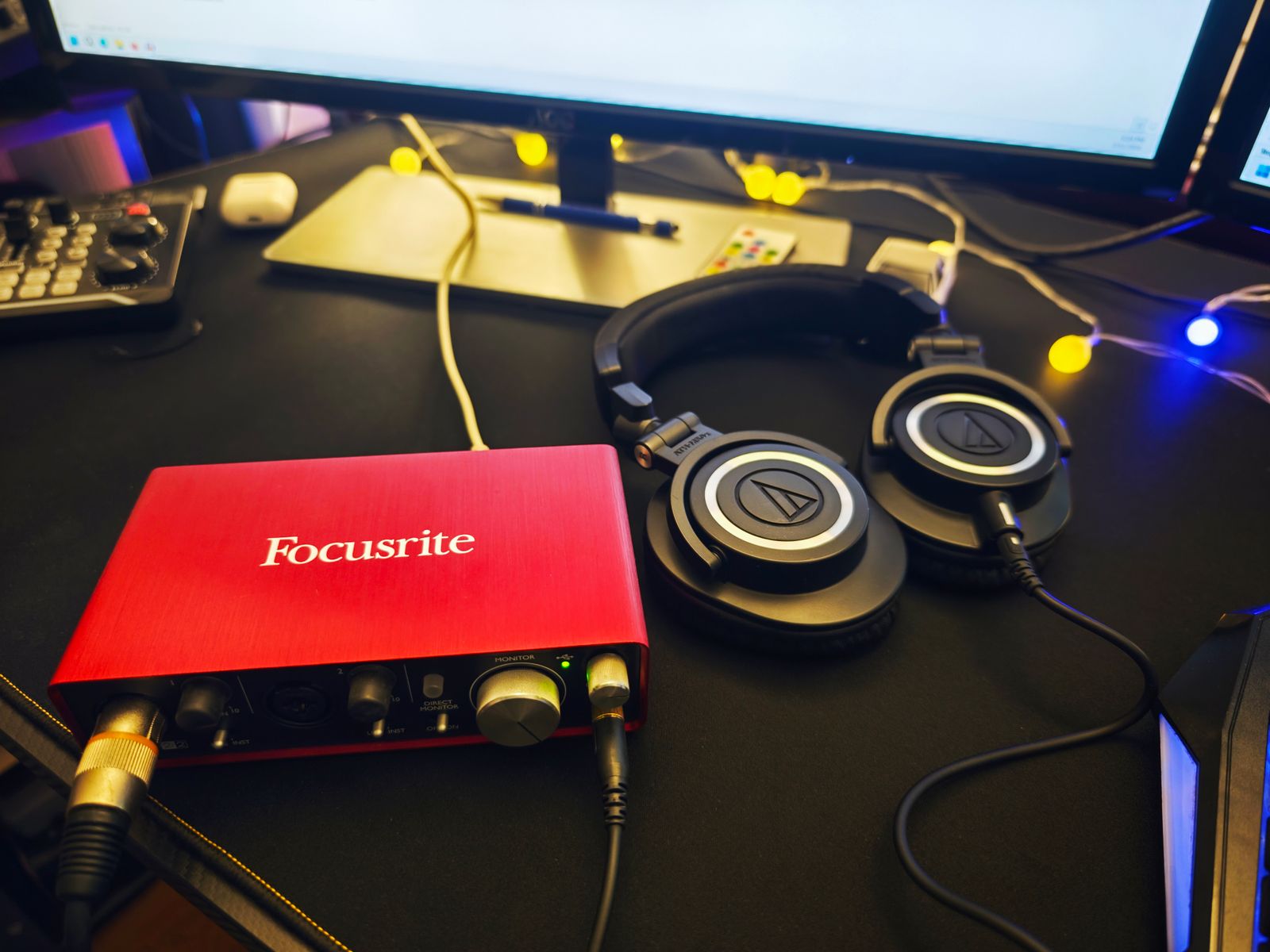
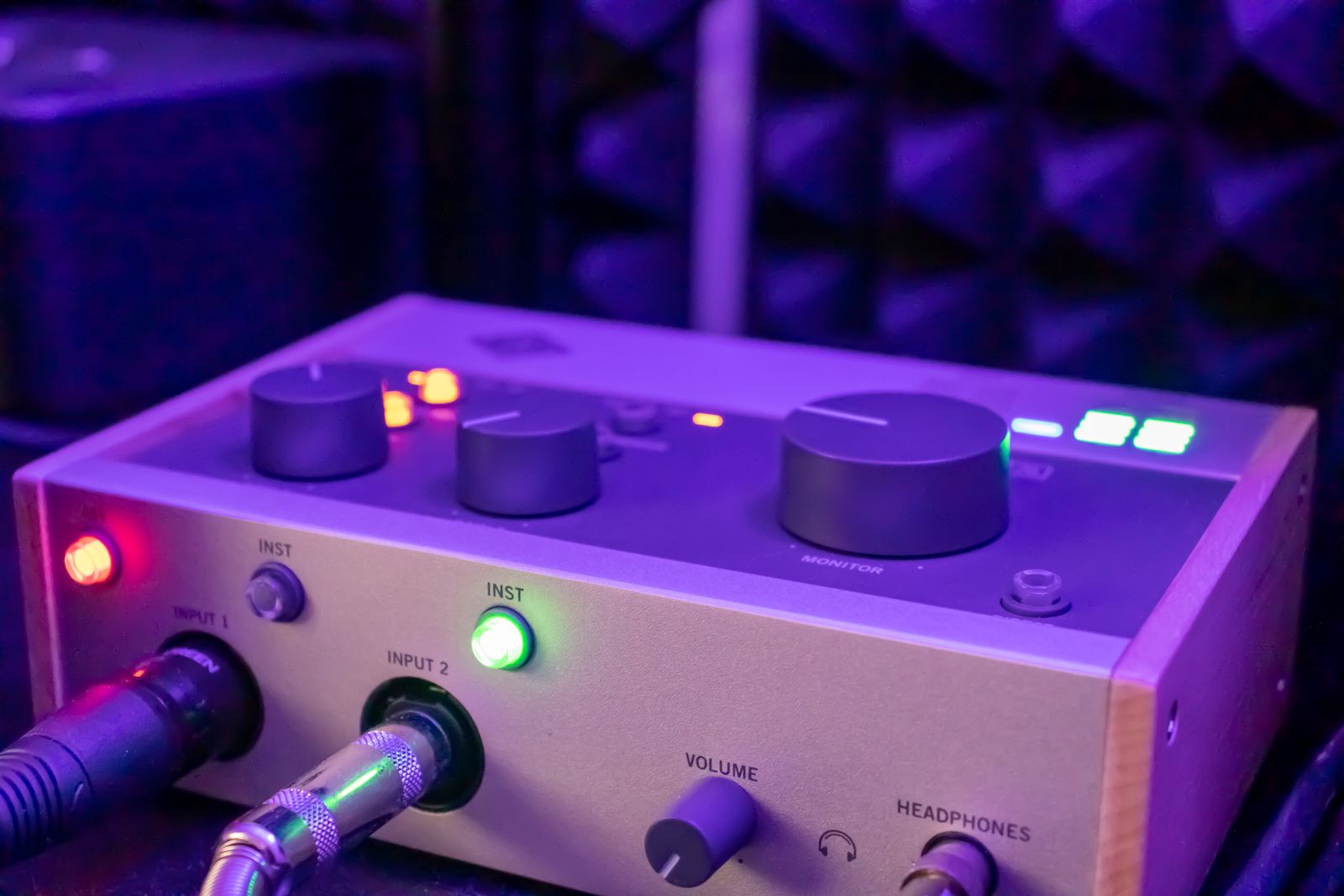
Check power requirements and the interface’s gain capability for the exact microphone. Many condenser models require phantom power, while some active microphones of other types also need power. Follow the device instructions rather than applying a blanket rule based only on the category name. Include a suitable stand and cable in the budget.
Record a brief spoken passage, a louder phrase, and a pause in the intended room. Listen for voice clarity, room reflections, desk bumps, and keyboard sounds separately. Move the microphone or change the desk routine before reaching for processing to hide every problem. Choose the model that works in a manageable position with your equipment, not the one whose category has the strongest reputation online.